How Temperature-Controlled Pharma Packaging Works (And Why Shipments Fail)
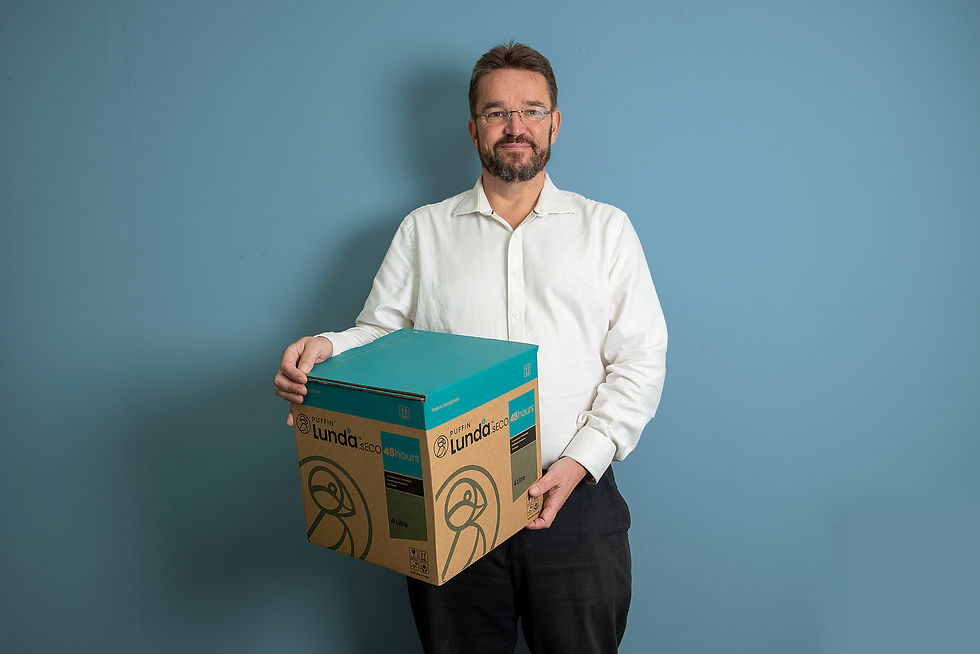
Author : Nick Geary
Temperature-controlled pharma packaging relies on a calculated balance of insulation and cooling agents (like gel packs or dry ice) to slow heat transfer. Shipments typically fail when real-world transit delays exceed the package’s validated duration, coolants aren't properly conditioned before packing, or the packaging is subjected to extreme temperatures on unshaded loading docks.
The global pharmaceutical supply chain is a delicate ecosystem. If you are shipping life-saving vaccines, temperature-sensitive biologics, or insulin, even a brief deviation from the required temperature range can render the drugs biologically inactive or unsafe for patient use.
Let's break down how this specialized packaging actually works and dive into the hidden pitfalls that cause temperature excursions (and ultimately, lost revenue).
How Temperature-Controlled Packaging Works
At its core, cold chain packaging does not actively generate cold; rather, it creates a highly protected micro-environment around the product to slow down heat transfer from the outside world. A proper system is made up of three core components:
Insulation: Materials such as vacuum-insulated panels (VIPs), expanded polystyrene (EPS), or specialized wool liners reduce the rate of heat exchange between the inside of the box and the ambient environment.
Coolants: Depending on the required temperature band (e.g., +2’C to +8’C refrigerated, -15’C to -25’C frozen), coolants like gel packs, dry ice, or Phase Change Materials (PCMs) are introduced to absorb or release thermal energy, maintaining stability.
Data Loggers: Small electronic sensors are placed inside the payload to continuously monitor internal temperatures, providing proof of compliance to regulatory bodies upon arrival.
Packaging systems generally fall into three categories: Passive or Advanced Passive (relying solely on pre-conditioned coolants and insulation without electricity), Active (motorized, plug-in refrigeration units), and Hybrid (active elements charging a PCM battery). Passive systems are the most common for courier and last-mile deliveries because they are lightweight and flexible.
Why Shipments Fail
Most packaging systems are tested against a best-case theoretical route. However, real-world logistics introduce a myriad of stressors. When temperature control fails, it often comes down to these common mistakes:
Underestimating Total Journey Time : A 24-hour express route easily turns into a 36-to-48-hour ordeal when you account for hub dwell times, customs processing, and delayed last-mile delivery. If the insulation and coolant aren't rated to outlast these delays, the internal temperature will eventually drift into the danger zone.
Improper Coolant Conditioning : If gel packs are only chilled in a standard fridge instead of fully frozen, or PCM plates aren't "conditioned" (phase-shifted to the correct temperature state) prior to packing, the packaging won't perform as validated.
Human Error and "Pack-Out" Inconsistencies : Packaging provides a secure environment only if it is packed exactly as designed. If packers misplace the coolant pads, leave the payload out on a hot loading dock too long before sealing, or fail to leave enough internal airflow, the system will fail.
Extreme Ambient Exposure : Sitting on a tarmac or a baking loading dock exposes the exterior of the shipping container to harsh temperature spikes. This quickly overpowers the thermal capacity of the insulation, exposing the internal product to damaging heat or freezing cold.
Best Practices to Protect Your Cargo
To prevent product spoilage and ensure regulatory compliance with bodies like the FDA or MHRA, logistics teams must optimize their operations:
Standardize Your Process: Establish a strict, repeatable "pack-out" methodology that all personnel follow.
Use Real-Time Monitoring: Transition from traditional USB data loggers (which only tell you if a shipment failed after it's delivered) to real-time IoT sensors. These alert teams instantly to delays or temperature deviations so corrective action can be taken.
Validate for Real-World Routes: Ensure your packaging is Qualified under rigorous lane-based profiles, such as ISTA 7D or 7E testing protocols, rather than just basic lab conditions.
If you are currently experiencing cold chain issues or want to improve your distribution lanes, Lunda TempChain can help you evaluate:
The risks of your specific transit routes
The differences between passive, hybrid, and active containers
How to optimise your pack-out procedures
Let us know what stage of the pharma supply chain you're looking to improve and get in touch!
Scientifically Tested TempChain Solutions for Temperature-sensitive Pharma, Diagnostics and Biotech.
We offer scientifically tested temperature-controlled packaging that meets pharmaceutical cold chain standards, specifically designed for biotech, clinical trials, and pharmaceutical logistics.


